

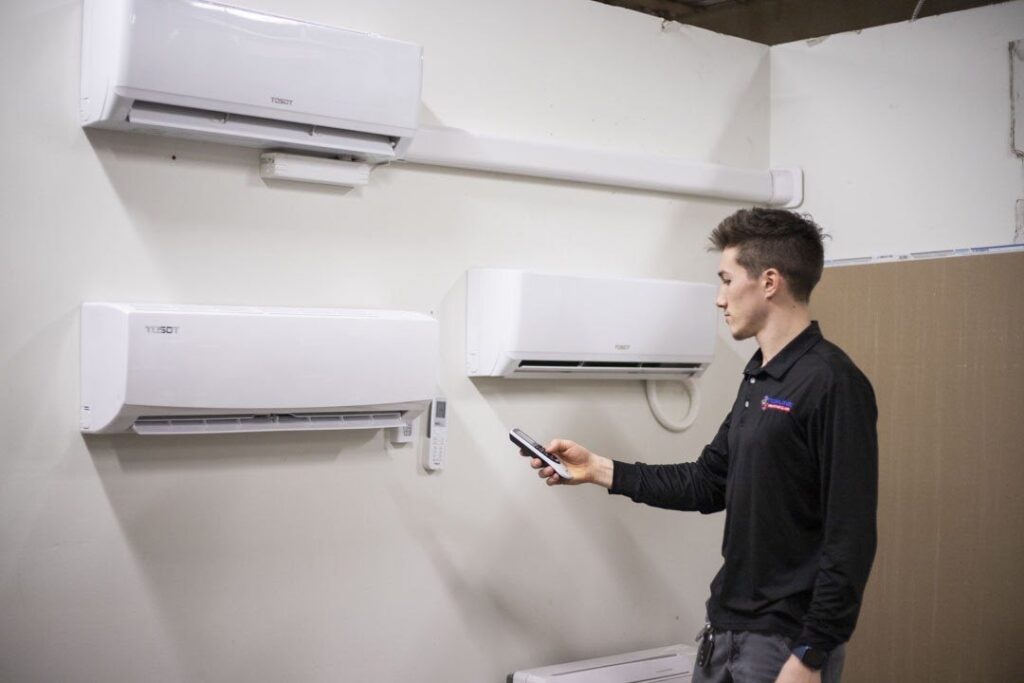
A cold-climate mini-split can be an excellent new heating and cooling system, especially for a home without ducts, an addition, or a room your current system misses. It can even serve an entire home when every room and the coldest expected conditions are included in the design.
When homeowners think “mini-split,” they often picture an air conditioner for one room. A mini-split heat pump can do much more: it heats during colder months and cools during summer. That makes it worth considering now, whether your current equipment is failing or you want to solve a comfort problem before winter settles in.
The key is choosing a system for your house, rather than assuming every mini-split will perform the same way in January.
Why consider a mini-split before winter?
It provides heating and cooling from one system
A mini-split heat pump moves heat into your home during winter and reverses the process to cool it during summer. If you are buying a new system, you can evaluate both seasons in one decision instead of solving winter comfort now and summer comfort later. The Department of Energy explains how heat-pump systems work, and our guide to how split HVAC systems work shows how the outdoor and indoor units fit together.
It can bring comfort to spaces without ducts
Older homes with radiators, additions, finished rooms above garages, and other spaces that ducts do not reach are natural candidates. An indoor unit delivers heating and cooling directly to the area it serves, without extending a central duct system. ENERGY STAR identifies these as common ductless applications.
“A rep came out and we reviewed the space and decided on a mini split heater for the basement To warm things up. They were able to schedule me for today and it was a seamless painless installation.”
— Blase G., 5-star Google review
It lets the design follow how you use your home
A mini-split can serve one problem area, several zones, or—in a properly planned installation—the whole house. Room-by-room control can be valuable when an upstairs bedroom needs a different temperature from a downstairs living space. It also means placement matters: a unit in an open living room will not necessarily heat a bedroom behind a closed door.
Do mini-splits really heat in cold weather?
Yes, cold-climate models are built for winter heating. But “operates below zero” on a brochure does not tell you how much heat a particular model will deliver to your home on a cold day.
Current ENERGY STAR cold-climate criteria include performance testing at 5°F. A qualifying system must retain at least 70% of its rated 47°F heating capacity at that temperature and meet an efficiency requirement. Those standards help identify capable equipment; they do not replace a heating-load calculation for your rooms and your local winter conditions.
Ask to see the proposed system’s published heating capacity at low outdoor temperatures. Then ask how that output compares with the heat your home needs. The answer may support a mini-split as your primary heat, a system with backup heat, or a different design.
Which homes are the best fit?
| Your situation | Why a mini-split may be a strong choice | What to verify |
|---|---|---|
| Your home has no ducts or central AC | Add winter heat and summer cooling without building a duct system | Coverage for every room you expect it to serve |
| An addition or upstairs room is too cold in winter and too hot in summer | Give that area its own appropriately sized system | Room load, indoor-unit location, and outdoor-unit placement |
| You rely on electric baseboard or other electric resistance heat | The Department of Energy says a heat pump can cut electricity used for heating by up to 75% compared with electric resistance heat | Expected performance and total operating cost for your home |
| Your old heating or cooling system needs replacement | Compare a new mini-split design with other complete-system options | Whole-home coverage, cold-weather capacity, and any backup needs |
A mini-split is not automatically the best answer because a room is uncomfortable. Insulation, air leakage, or a problem with existing ducts may also contribute. And if you have good ductwork and need to replace whole-home equipment, a central heat pump or another central system deserves a comparison. See our guide to heating-system replacement options.
“Brandon came for an estimate/ assessment for a mini split compared to a furnace and ac replacement. He was extremely helpful and informative. I really appreciated him being straight forward…”
— Allen D., 5-star Google review
Can a mini-split heat an entire home?
It can, if the complete system is designed to do so. That usually calls for a room-by-room heating and cooling assessment, an appropriate combination of indoor units, and equipment selected for winter performance as well as summer cooling.
One wall unit should not be treated as a whole-house solution just because its capacity number looks large. Bedrooms with closed doors, bathrooms, basements, and rooms far from an indoor unit still need a plan. An installer should also explain what provides heat during the coldest conditions if the proposed system cannot meet the full load on its own.
ENERGY STAR recommends a Manual J load calculation, while ACCA’s Manual S guidance addresses selecting equipment using those loads and manufacturer performance data.
What if you already have oil or gas heat?
A mini-split can work alongside an existing oil boiler or gas furnace. That may be a good way to add heating and cooling to selected rooms while keeping a sound central system for other areas or as backup.
It is one possible design, not a requirement. If your existing equipment has failed or you want a complete change, compare a properly designed whole-home mini-split proposal with replacing or upgrading the central system. If you keep two heating systems, ask how their controls will work together and which rooms each will serve. An oil boiler may also provide household hot water or heat spaces containing water pipes; those needs must be addressed before changing how it operates.
Will a mini-split lower my energy bills?
It may, but the answer depends on what it replaces and how you use it. A mini-split moves heat rather than creating it, so the comparison looks different for each kind of heating system.
Electric baseboard or electric furnace
This is where the savings are clearest. The Department of Energy says today’s heat pumps can reduce your electricity use for heating by up to 75% compared to electric resistance heating such as furnaces and baseboard heaters. ENERGY STAR says certified mini splits use up to 60% less energy than standard home electric radiators. Your results depend on the house and the weather, but for electric resistance heat, a mini-split is usually the biggest efficiency upgrade available.
Oil or propane
NYSERDA reports that a heat pump typically costs less to operate than oil, propane or electric resistance heat. A mini-split also adds air conditioning, which many oil-heated homes lack. If it takes over only part of the house, the oil or propane system you keep still has fuel and maintenance costs, so savings are partial. When a complete conversion makes sense, we handle the full scope of it in every market we serve.
Natural gas
Here it depends on your local rates. Natural gas is often the cheaper fuel to heat with in Pennsylvania, so a mini-split rarely wins on heating cost alone. It earns its place with air conditioning, zoned control, and problem rooms, or when you simply want one system for the whole year. If you already have a sound gas furnace and good ducts, a new gas furnace may be the better value, and we’ll tell you so.
A good proposal should explain the expected total heating cost, not promise a generic savings percentage. If you retain another heating system for part of the house or for hot water, its costs will not simply disappear.
What should you ask before choosing a winter mini-split?
A useful in-home estimate should answer five questions:
- Which rooms will the system heat and cool? Ask what happens in rooms with closed doors or no indoor unit.
- How was it sized? The proposal should reflect the home’s heating and cooling needs, not square footage alone.
- What will the exact equipment deliver in cold weather? Look for published heating output near your area’s winter design temperature.
- Will it need another heat source? If so, ask when and how that source operates.
- Is ductless the best fit for this job? If you already have usable ducts and need a whole-home replacement, compare central options too. Our guide to replacing a furnace and AC together covers another common decision.
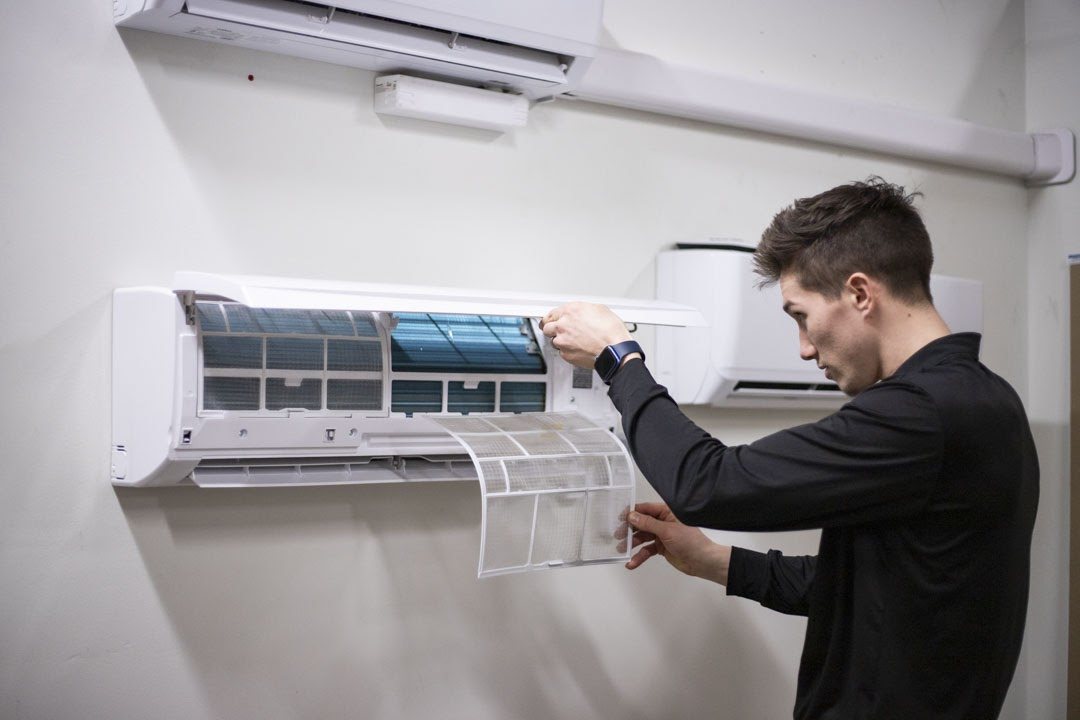
“The installation took 4 hours (as they said it would take when buying the system). The installers reviewed the system as a whole, how to clean the filters and how often, and how to use the remote.”
— Erin B., 5-star Google review
Find the right system before winter
Topline Heating & Air offers free, no-obligation in-home estimates for new systems in and around Lancaster, Scranton, State College, Dayton, Canton, Pittsburgh, and Rochester. We can look at the rooms you want to improve and compare a targeted mini-split, a whole-home ductless design, and other systems that fit your house. We will also tell you when keeping sound equipment makes more sense.
Request a free new-system estimate. Next-day installation is very regularly available, and our average is about four days from first inquiry to completed installation. Your timing depends on the equipment, electrical work, permits, location, and schedule.